Tuesday, June 25, 2024

Common Defects in Labeling and How to Avoid Them

In the world of product labeling, even minor defects can significantly impact the performance and appearance of your labels. Understanding common labeling defects and how to prevent them is crucial for ensuring your product’s packaging remains professional and reliable. This guide explores common labeling issues such as adhesion problems on oily surfaces, challenges with labeling odd-shaped containers, and labels that must withstand temperature changes. We’ll also provide solutions and best practices to help you avoid these issues.

Understanding Common Labeling Defects

Labeling defects can arise from various factors, including environmental conditions, substrate properties, and application processes. Here are some of the most common defects and how to prevent them:

1. Adhesion Issues on Oily Surfaces

Labels may have difficulty adhering to oily or greasy surfaces, leading to peeling or falling off.

Causes:

The presence of oils or greases interferes with the adhesive’s ability to bond with the surface.

Solutions:

  • Surface Preparation: Ensure the surface is clean and dry before label application. Use degreasers or alcohol wipes to remove any oil residues.

Best Practices:

  • Regularly inspect surfaces for cleanliness before labeling.
  • Conduct adhesion tests to ensure the labels stick effectively.

2. Labeling Odd-Shaped Containers

Applying labels to containers with unique shapes can result in wrinkling, bubbling, or misalignment.

Causes:

Irregular surfaces that make it difficult for labels to adhere evenly.

Inconsistent pressure during the application process.

Solutions:

  • Flexible Labels: Use labels made from flexible materials produced by a digital printing Denver company that can conform to the shape of the container.
  • Application Techniques: Employ specialized labeling techniques or equipment for odd-shaped containers, such as tapered labels or custom applicators.
  • Custom Die-Cuts: Consider custom die-cut labels that match the contour of the container, ensuring a better fit.

Best Practices:

  • Test the label on the container to ensure proper fit and adhesion.
  • Train staff on proper application techniques for odd-shaped containers.

3. Labels that Withstand Temperature Changes

Labels exposed to extreme temperatures can face issues like peeling, cracking, or discoloration.

Causes:

Adhesives and materials that are not suitable for high or low temperatures.

Environmental factors that affect the label’s integrity over time.

Solutions:

  • Temperature-Resistant Materials: Choose label materials and adhesives designed to withstand the specific temperature range your product will encounter.
  • Testing: Conduct thorough testing to ensure labels perform under various temperature conditions.
  • Protective Coatings: Apply protective coatings to labels to enhance their durability and resistance to temperature changes.

Best Practices:

  • Monitor the storage and handling conditions to ensure labels are not exposed to extreme temperatures unnecessarily.
  • Use environmental chambers to test labels in simulated temperature conditions.

Enhancing Label Performance and Reliability

Preventing labeling defects is crucial for maintaining the quality and appearance of your product packaging. By understanding common issues such as adhesion problems on oily surfaces, challenges with odd-shaped containers, and the need for temperature-resistant labels, you can implement practical solutions and best practices to avoid these defects.

Need help with labeling defects prevention?

Contact Primeflex today to consult our experts and discover the best solutions for your labeling needs. Our expertise in the printing and packaging industry ensures that your labels perform reliably under various conditions, reinforcing our dedication to quality and customer satisfaction.

First Seen here: Common Defects in Labeling and How to Avoid Them


from Primeflex - Feed https://primeflex.com/common-defects-in-labeling-and-how-to-avoid-them/

Tuesday, June 18, 2024

Innovations in Flexographic Printing: The Future of Label Production

Flexographic Label Printing

Flexographic printing, often known as "Flexo," is a versatile and efficient printing technique widely used for label production. Despite its pivotal role in large-scale manufacturing, digital printing often overshadows flexographic printing in popular discourse. This blog highlights flexographic label printing, its advantages, and how it complements digital printing techniques, especially for large-scale orders. Drawing insights from Primeflex, a leader in the field, we will explore why flexographic printing is an essential tool in modern label production.

What is Flexographic Printing?

Flexographic printing is a form of rotary printing that uses flexible relief plates to transfer ink onto various substrates, including paper, plastic, and metallic films. This process is ideal for continuous patterns, making it perfect for packaging, labels, and other large-scale printing needs.

Advantages of Flexographic Label Printing

  1. High-Speed Production: Flexographic printing is renowned for its speed. The rotary process allows for continuous printing, significantly reducing turnaround times. This speed translates into cost savings and efficiency for companies requiring large quantities of labels.

  2. Versatility: Flexographic presses can print on various substrates, from paper and cardboard to plastic and foil. This versatility makes it ideal for diverse industries, including food and beverage, pharmaceuticals, and consumer goods.

  3. Cost-Effectiveness: Once the initial setup is complete, flexographic printing offers a low cost per unit, especially for high-volume orders. Using large substrate rolls also reduces material waste, further enhancing cost efficiency.

  4. Durability: Flexographic inks are highly durable, providing excellent adhesion and resistance to smudging and fading. This durability ensures that labels remain intact and legible throughout the product's lifecycle.

  5. Environmental Benefits: Modern advancements in flexographic technology have introduced eco-friendly inks and processes. Water-based and UV-curable inks reduce the environmental impact, making Flexo a more sustainable choice.

How Flexographic Printing Complements Digital Printing

While digital printing is celebrated for its ability to handle short runs and intricate designs, flexographic printing excels in high-volume production. Here's how the two can complement each other:

  1. Short Runs and Customization: Digital printing is perfect for short runs, prototypes, and customized designs due to its low setup costs and quick turnaround. This makes it ideal for test batches or personalized marketing campaigns.

  2. Large-Scale Production: Flexographic printing becomes more cost-effective and efficient when the demand shifts to large-scale production. Companies can start with digital printing for initial runs and then switch to Flexo for mass production.

  3. Hybrid Printing Solutions: Some modern presses combine flexographic and digital printing capabilities, allowing businesses to enjoy the best of both worlds. This hybrid approach ensures flexibility, quality, and cost efficiency across different stages of production.

Primeflex: Leading the Way in Flexographic Printing

Primeflex has positioned itself as a pioneer in flexographic label printing, offering services highlighting the technology's strengths. Their flexographic and digital printing expertise ensures that clients receive the best solutions tailored to their needs. Primeflex's innovative approach sets a high standard in the industry, from high-speed production to intricate designs.

Flexographic printing remains a cornerstone of large-scale label production, offering unparalleled speed, versatility, and cost-effectiveness. When complemented by digital printing, it provides a comprehensive solution that meets the diverse needs of modern businesses. As innovations continue to emerge, flexographic printing is poised to maintain its vital role in the printing industry, ensuring high-quality results for various applications.

By understanding and leveraging the strengths of flexographic label printing, companies can optimize their production processes, reduce costs, and deliver superior products to the market. Whether for small batches or large-scale orders, the synergy between flexographic and digital printing offers a robust and adaptable solution for all printing needs.

Are you ready to leverage the power of flexographic printing for your next large-scale project? Discover how Primeflex's innovative flexographic label printing solutions can enhance your production efficiency and product quality. Visit Primeflex today to learn more about our services and see how we can tailor our expertise to meet your unique needs. Contact us now for a consultation and take the first step towards superior printing performance and cost savings. Let’s bring your vision to life with the perfect blend of flexographic and digital printing techniques!

First Posted here: Innovations in Flexographic Printing: The Future of Label Production


from Primeflex - Feed https://primeflex.com/innovations-in-flexographic-printing-the-future-of-label-production/

Thursday, May 23, 2024

Customization Options for Label Design

Custom Label Printing: A Key to Brand Recognition and Customer Loyalty

In today's competitive market, establishing a unique brand identity and fostering customer loyalty are crucial for business success. Custom label printing plays a significant role in achieving these goals. Customized labels enhance brand recognition and create a lasting impression on customers, promoting brand loyalty.

Why Customization Matters

Brand Identity: Custom labels allow businesses to showcase their unique style and personality. A well-designed label can convey the brand's values and message, making it instantly recognizable.

Customer Connection: Personalized labels can make customers feel unique and valued. This connection fosters trust and loyalty, encouraging repeat purchases.

Differentiation: In a crowded market, custom labels help products stand out on the shelves. Unique designs and innovative packaging attract attention and drive sales.

Primeflex's Role in Custom Label Printing

Primeflex, a Denver based Custom label printing company, specializes in creating high-quality custom labels and flexible packaging solutions. Here's how Primeflex can help your brand:

Innovative Solutions: Primeflex offers a range of unique labeling options, such as peel-and-reseal labels, foil enhancements, embossing, and textured inks. These features can add a distinctive touch to your products, making them more appealing to customers.

Expertise and Technology: With decades of experience, Primeflex uses advanced printing technologies to produce vibrant, durable, and eco-friendly labels. Their digital and flexographic printing techniques ensure high-quality results for any shape or size.

Customizable Options: Primeflex provides endless customization possibilities, from variable information printing to unique shapes and sustainable materials. This flexibility allows businesses to create labels that perfectly align with their brand identity and marketing goals.

Investing in custom label printing is a strategic move for businesses aiming to boost brand recognition and customer loyalty. Primeflex offers the expertise, technology, and innovative solutions needed to create labels that look great and resonate with your target audience. Whether you are looking for eye-catching designs or sustainable options, Primeflex is your go-to partner for all your custom label needs.

For more information on how Primeflex can enhance your product's packaging, contact Primeflex today!

Article Source on: Customization Options for Label Design


from Primeflex - Feed https://primeflex.com/customization-options-for-label-design/

Wednesday, April 24, 2024

The Importance of Getting Your Colorado Labels Right

Do It Right Primeflex Labels

When it comes to product packaging, getting your Colorado labels right is more than just a matter of aesthetics—it's a legal and marketing imperative. Proper labeling not only ensures compliance with state and federal regulations but also plays a crucial role in brand recognition and consumer trust.

In Colorado, labels and their specific legal requirements govern various products, including food, beverages, cosmetics, and more. These regulations typically cover essential information such as ingredients, nutritional facts, serving sizes, and allergen warnings.

And here’s the more important fact: failing to include accurate and comprehensive information can result in hefty fines and damage to your brand's reputation.

Of course, there are positive incentives, too. Crafting labels that resonate with your target audience can also set your products apart in a competitive market. Colorado consumers, known for their appreciation of natural and locally sourced goods, often respond favorably to labels that emphasize sustainability, organic ingredients, and community values.

Additionally, clear and compelling labeling can enhance consumer confidence in your products. Whether it's through eye-catching design, informative product descriptions, or transparent sourcing practices, effective labeling communicates your commitment to quality and integrity.

In the digital age, where online shopping is increasingly prevalent, your Colorado labels serve as virtual ambassadors for your brand. Your labels and extended content will provide essential information that helps consumers make informed purchasing decisions, even when browsing from their screens.

As such, by investing in well-designed, informative labels from https://primeflex.com/, you can make a lasting impression on potential customers and drive sales both online and offline.

Original Post on: The Importance of Getting Your Colorado Labels Right


from Primeflex - Feed https://primeflex.com/the-importance-of-getting-your-colorado-labels-right/

Thursday, April 4, 2024

Demystifying Product Codes: UPCs, Barcodes & QR Power for Your Brand

[et_pb_section fb_built="1" theme_builder_area="post_content" _builder_version="4.23" _module_preset="default"][et_pb_row _builder_version="4.23" _module_preset="default" theme_builder_area="post_content"][et_pb_column _builder_version="4.23" _module_preset="default" type="4_4" theme_builder_area="post_content"][et_pb_text _builder_version="4.23" _module_preset="default" theme_builder_area="post_content" hover_enabled="0" sticky_enabled="0"]

Have you ever wondered how that seemingly random string of numbers and lines on your favorite product magically translates to everything you see on the store shelf – price, origin, and even nutritional information?  Those lines are actually a barcode, a visual representation of a Universal Product Code (UPC).

Think of a UPC as your product's unique fingerprint in the world of commerce. It allows retailers and manufacturers to effortlessly track your product throughout its journey, from the factory floor to the checkout counter.  But how exactly do you get one of these essential codes for your own brand?

There are two main options to obtain a UPC:

GS1 (Global Standards One):  As the official organization responsible for issuing UPCs, GS1 acts as the central hub for product identification.  By becoming a member of GS1, you gain access to a pool of unique UPC codes that you can then assign to your products.  This membership does come with associated fees, so it's important to consider the volume of products you need to code.

Authorized Resellers:  Several third-party companies act as authorized resellers of GS1-issued UPCs.  These resellers often offer additional services alongside the codes, such as barcode image generation or assistance with product registration.  While convenient, these services may come at an additional cost compared to going directly through GS1.

In the next section, we'll dive deeper into the world of barcodes and how they translate those UPCs into a scannable format. We'll also explore the power of QR codes and how they can take your product communication a step further!

[/et_pb_text][/et_pb_column][/et_pb_row][et_pb_row _builder_version="4.23" _module_preset="default" theme_builder_area="post_content"][et_pb_column _builder_version="4.23" _module_preset="default" type="4_4" theme_builder_area="post_content"][et_pb_image src="https://primeflex.com/wp-content/uploads/2024/04/UPCdiagram.png" _builder_version="4.23" _module_preset="default" theme_builder_area="post_content" hover_enabled="0" sticky_enabled="0" alt="UPC barcode explained by section" title_text="UPCdiagram"][/et_pb_image][/et_pb_column][/et_pb_row][et_pb_row _builder_version="4.23" _module_preset="default" theme_builder_area="post_content"][et_pb_column _builder_version="4.23" _module_preset="default" type="4_4" theme_builder_area="post_content"][et_pb_text _builder_version="4.23" _module_preset="default" theme_builder_area="post_content" hover_enabled="0" sticky_enabled="0"]

Understanding Barcodes: Decoding the Stripes

Now that you know how to secure a UPC, let's explore how it transforms into the familiar barcode we see on countless products. Think of a barcode as a translator, taking the numerical UPC and converting it into a series of lines and spaces that scanners can easily interpret.

There are actually different types of barcodes, each suited to specific needs. The most common for retail products in the US is the UPC-A, which can encode 12 digits. For smaller packages with limited space, a more compact UPC-E might be used.

Generating Your Barcode Image: Putting the Code on Display

So, you have your UPC and understand the concept of barcodes, but how do you get that visual representation onto your packaging design? Here are a few options:

  • Online Barcode Generators: While tempting for their convenience, free online barcode generators often come with limitations. The generated images might be low quality, unsuitable for printing, or even contain hidden data.
  • Barcode Creation Software: Some UPC providers offer dedicated barcode creation software. This ensures high-quality, scannable codes, but requires additional software purchase.
  • Primeflex Services: Here at Primeflex, we understand the importance of clear and accurate barcodes on your product labels. We offer high-quality barcode image generation services, ensuring your codes scan flawlessly at checkout.

The Power of QR Codes: Beyond the Barcode QR code for Primeflex Labels

While barcodes excel at product identification, QR codes (Quick Response codes) offer a whole new level of engagement.  These square, checkered patterns can encode a variety of data, not just website URLs.

Imagine including a QR code on your label that takes customers directly to a dedicated product information page.  They can see detailed descriptions, usage instructions, or even access exclusive promotions.  QR codes can also link to interactive experiences like instructional videos or fun games, fostering a deeper connection with your brand.

Primeflex: Your Partner in Product Identification

At Primeflex, we're passionate about helping businesses bring their products to life. We offer a comprehensive range of services to ensure your product labels are not only visually stunning but also functionally perfect. From choosing the right UPC and barcode format to generating high-quality barcode images and seamlessly integrating QR codes into your packaging design, our team of experts is here to guide you every step of the way.

UPCs, barcodes, and QR codes play a crucial role in the world of product identification and communication. By understanding these systems and utilizing them effectively, you can ensure your products stand out on store shelves and connect with your customers on a deeper level.

Ready to unlock the power of product codes for your brand?  Contact Primeflex today for a consultation on your specific labeling needs. We'll help you choose the right solutions and navigate the process seamlessly, so you can focus on what matters most – creating exceptional products.

[/et_pb_text][/et_pb_column][/et_pb_row][/et_pb_section]

Original Post here: Demystifying Product Codes: UPCs, Barcodes & QR Power for Your Brand


from Primeflex - Feed https://primeflex.com/how-to-get-upc-barcodes-and-qr-codes/

How to Prevent Label Defects: 3 Common Issues and Solutions

[et_pb_section fb_built="1" _builder_version="4.23" _module_preset="default" global_colors_info="{}"][et_pb_row _builder_version="4.23" _module_preset="default" global_colors_info="{}"][et_pb_column type="4_4" _builder_version="4.23" _module_preset="default" global_colors_info="{}"][et_pb_text _builder_version="4.23" _module_preset="default" global_colors_info="{}"]

First impressions matter, and for your product, that often starts with the label. A clean, professional label speaks volumes about quality, while a wrinkled, poorly-applied one can give the impression of a low-grade product.  This can hurt sales and damage your brand reputation.

Fortunately, avoiding these pitfalls is easy with a few key considerations.  This post dives into the three most common causes of label application defects and provides solutions to ensure your products look their best.

The Troublemakers: Three Common Causes of Label Defects

1. The Container

[/et_pb_text][et_pb_image src="https://primeflex.com/wp-content/uploads/2023/08/81414419_m_normal_none.jpg" alt="CBD Product Label Sample Packet" _builder_version="4.23" _module_preset="default" global_colors_info="{}"][/et_pb_image][et_pb_text _builder_version="4.23" _module_preset="default" global_colors_info="{}"]

Material Mismatch: Not all labels are created equal!  Choosing the wrong material for your container can lead to a variety of problems. For example, a label designed for a cardboard box might not adhere properly to a glass jar. Ensure compatibility by consulting with your label supplier and considering factors like:

Surface Texture: Glossy surfaces may require different adhesives than matte finishes.

Rigidity: Flexible containers may need more pliable labels to avoid wrinkling.

Sizing Matters:  A label that's too big for the container will overlap and look messy, while one that's too small might leave parts of the container exposed.  Double-check measurements to ensure a perfect fit.

Adhesive Selection:  There's a reason there are so many adhesive options!  The right adhesive will depend on the container material, application temperature, and even the product itself  (think moisture resistance for chilled or frozen foods).

2. The Environment


[/et_pb_text][et_pb_image src="https://primeflex.com/wp-content/uploads/2024/04/cosmetic-jar-1-e1712077457938.jpg" alt="cosmetic jar with label peeled off" title_text="cosmetic-jar-1" _builder_version="4.23" _module_preset="default" global_colors_info="{}"][/et_pb_image][et_pb_text _builder_version="4.23" _module_preset="default" global_colors_info="{}"]

Temperature and Humidity:  Extreme temperatures or humidity can wreak havoc on labels.  Cold temperatures can make adhesives less tacky, while hot environments can cause them to melt or dry out too quickly.  Similarly, high humidity can lead to label curling or air bubbles.

Solution: Maintain a consistent, controlled environment in your labeling area. If possible, apply labels at room temperature and moderate humidity.  For unavoidable situations (like cold storage or labeling after washing), choose labels and adhesives specifically formulated for those conditions.

3. Conveyor Belt Blues

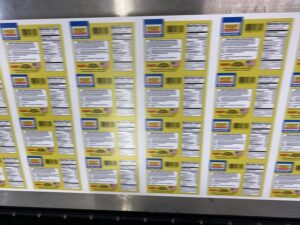
[/et_pb_text][et_pb_image src="https://primeflex.com/wp-content/uploads/2024/04/flexo-label-printer-scaled-e1712252414927.jpeg" _builder_version="4.24.3" _module_preset="default" hover_enabled="0" global_colors_info="{}" alt="flexographic printer conveyor belt" title_text="flexo-label-printer" sticky_enabled="0"][/et_pb_image][et_pb_text _builder_version="4.23" _module_preset="default" global_colors_info="{}"]


Automation is a great thing, but conveyor belt mishaps can cause real problems for labeling.

Speed Demons: A mismatch between the speed of the conveyor belt and the label applicator can result in labels being skewed or applied at an angle.

Synchronization is Key: Ensure your labeling equipment is properly calibrated to match the speed of the conveyor belt. This will create a smooth, consistent label application.

[/et_pb_text][/et_pb_column][/et_pb_row][et_pb_row _builder_version="4.23" _module_preset="default" global_colors_info="{}"][et_pb_column type="4_4" _builder_version="4.23" _module_preset="default" global_colors_info="{}"][et_pb_text _builder_version="4.23" _module_preset="default" global_colors_info="{}"]

Prevention is Key

While this post focuses on solutions, preventing defects in the first place is ideal.  Here are some additional tips:

  • Regular maintenance: Schedule regular maintenance for your label application equipment to ensure optimal performance.
  • Employee training: Properly trained staff can identify potential issues and adjust labeling processes as needed.
  • By following these tips, you can ensure your products are sporting crisp, professional labels that make a great first impression.

Ready to take your labeling to the next level?  Contact us today for a consultation or to discuss label material recommendations for your specific needs!

[/et_pb_text][/et_pb_column][/et_pb_row][/et_pb_section]

Original Post right here: How to Prevent Label Defects: 3 Common Issues and Solutions


from Primeflex - Feed https://primeflex.com/how-to-prevent-label-defects/

The Advantages of Using Peel and Reveal Labels on Your Products

[et_pb_section fb_built="1" _builder_version="4.23" _module_preset="default" global_colors_info="{}"][et_pb_row _builder_version="4.23" _module_preset="default" global_colors_info="{}"][et_pb_column type="4_4" _builder_version="4.23" _module_preset="default" global_colors_info="{}"][et_pb_text _builder_version="4.23" _module_preset="default" global_colors_info="{}"]

What Are Peel & Reveal Labels

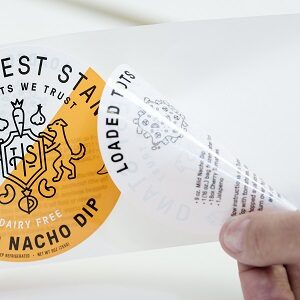
A peel and reveal label is a label consisting of multiple layers. Customers can easily remove the top layer to reveal the information on the layer beneath. These labels are also known as peel-and-reveal, piggyback, or multi-panel labels.

These are self-adhesive, with two or more layers superimposed on one another. The base layer permanently adheres to the product's surface, while the upper layers can be easily peeled off and resealed. The advantage is that the label and its contents consume little space. The tidy accordion of a peel and reveal label can contain extended content. Some brands even choose peel-and-reveal labels to include “hidden” messaging—a marketing strategy that attracts customers' attention.

Beauty, pharmaceutical, and heavily regulated industries often use peel and reveal labels to include necessary or mandated product information for the end user, product codes, etc. Advertisers also find them great as coupons or for free offers. Scientific and industrial applications include chemical boxes with double-layered stickers revealing important safety instructions.


[/et_pb_text][et_pb_image src="https://primeflex.com/wp-content/uploads/2023/06/products-peel-back-labels-product-detailed-description.jpg" alt="peel and re-seal product information detailed labels" title_text="peel and reveal label" align="center" _builder_version="4.23" _module_preset="default" global_colors_info="{}"][/et_pb_image][et_pb_text _builder_version="4.23" _module_preset="default" global_colors_info="{}"]


These labels are printable by heat transfer and can have different designs. All layers are not required to be identical; designers can experiment with different ideas and create original peel-and-reveal labels.

These multi-layer labels can be applied on any type of product, and they have great informative and marketing potential as well – here are some of the most important benefits of using such labels on your items:

  • A space-saving solution – peel and reveal labels allow you to multiply the amount of information passed on to your customers without covering a large part of the product packaging in labels. One of the most common ways to use peel and reveal is to display the product's name on the top layer and product details, such as ingredients or nutrition facts, on the bottom layer.  Primeflex staff can show you many examples of peel and reveal or piggyback labels.
  • A playful way to captivate attention – peeling off the top layer of the label is like hunting for treasures. The process activates the inner child, so peel and reveal solutions are an excellent way to run promotions, including coupon promotions and campaigns that offer instantly redeemable awards, prizes, or giveaways.
  • Varied technical solutions for high-quality labels – peel and reveal labels are made from many different materials. They are also suitable for boxes, cans, bottles, and other types of containers.

Primeflex is an expert at printing Peel and Reveal labels. Call today to discuss your labeling project.

[/et_pb_text][/et_pb_column][/et_pb_row][/et_pb_section]

Article Source here: The Advantages of Using Peel and Reveal Labels on Your Products


from Primeflex - Feed https://primeflex.com/the-advantages-of-peel-and-reveal-labels2/

Tuesday, April 2, 2024

The Ultimate Guide to Product Label Design

[et_pb_section fb_built="1" theme_builder_area="post_content" _builder_version="4.23" _module_preset="default"][et_pb_row _builder_version="4.23" _module_preset="default" theme_builder_area="post_content"][et_pb_column _builder_version="4.23" _module_preset="default" type="4_4" theme_builder_area="post_content"][et_pb_text _builder_version="4.23" _module_preset="default" theme_builder_area="post_content" hover_enabled="0" sticky_enabled="0"]


Make Your Product Leap Off the Shelf: A Guide to Designing Winning Labels

Imagine you're browsing aisles packed with similar products. Suddenly, a label pops out, captivating your attention. That's the power of a well-designed product label! It's your product's silent salesperson, a tiny billboard that convinces customers to choose you.

This guide equips you to craft labels that sing, not snooze. We'll unveil the key ingredients, from must-have information to sizzling design tricks.


Unveiling the Label's Magic Formula

First, the basics: Every label needs a clear, prominent product name and your brand's logo. Think of them as the stars of the show! But don't forget the supporting cast:

  • Graphics and Design: Colors, patterns, and fonts should echo your brand personality. Is it playful and vibrant, or sleek and sophisticated? Let your label reflect that!
  • Product Description: Craft a compelling message that tells the product's story. Dispense with boring bullet points - use vivid language to highlight its benefits.
  • Essential Info: Depending on your product, you might need space for ingredients, certifications, barcodes, and more.

Understanding Your Audience: The Secret Weapon

Before designing, consider who you're designing for. What makes them tick? What catches their eye? Answering these questions is crucial for creating a label that resonates.


Standing Out from the Crowd: Steal the Spotlight

Even the most amazing product can get lost in a sea of competitors. Here's how to make yours shine:

  • Research is King: Stalk (research) your competitors! See what they're doing well, and how you can do it better. Uniqueness is key!
  • Budget Savvy Design: Flashy doesn't have to also be expensive. Explore free design tools like Canva to create a professional-looking label without breaking the bank.
  • Focus on Readability: Don't let fancy fonts turn into a frustrating guessing game. Prioritize clear, concise communication.

Design Tips for the Win

  • Plan the Layout: Sketch or use software to visualize your label's structure. Keep margins and "bleed area" (the area that gets cut off during printing) in mind.
  • Add Metallic Foil:  to the logo, or product name, or to the background.
  • Fancy shape: Consider adding a die-cut for an unusual shape on 1 to 4 edges of the label.
  • Information Hierarchy: Organize the information for easy consumption. Product name and logo take center stage, followed by descriptions and other details.
  • Balancing Act: One or two decorative elements can add pizazz, but too much creates clutter. White space is your friend - it enhances readability and creates a clean look.
  • Proofread Like a Pro: Typos and errors can shatter trust. Enlist a friend or use a spellchecker to ensure everything is polished.
  • Call Primeflex for label printing bids using your design options. For example, If foil is in your design, get a bid with and without foil. 

Interactive Elements

In today's digital age, traditional label design is being revolutionized by the inclusion of interactive elements. One of the most powerful tools at a designer's disposal is the QR code. When seamlessly integrated into a product label, QR codes can transform a static message into a dynamic, interactive experience. Imagine a customer scanning the code and being transported to a video that tells the story of how your product is made, showcases user testimonials, or even provides a virtual reality experience of the product in action.

But the potential of interactive labels extends beyond QR codes. NFC (Near Field Communication) tags, augmented reality (AR) layers, and even simple URLs can invite consumers to explore further, offering them a deeper, more engaging relationship with your brand. This connectivity can provide additional value beyond the physical label, turning every product into a portal to the digital world. For instance, a wine label might link to a tour of the vineyard, or a food product could offer recipes, nutritional advice, and health tips related to its consumption.

These interactive elements not only enrich the consumer's experience but also empower brands to tell their story in a more compelling way. They bridge the gap between physical and digital, making the product more memorable and fostering a stronger brand connection. Additionally, they can be a potent tool for gathering analytics and understanding consumer behaviors, preferences, and engagement levels.


Feedback Loops and Consumer Engagement

The design of a product label should not occur in a vacuum. In an era where customer feedback is more accessible than ever, leveraging social media and online platforms for engaging potential customers in the design process can provide invaluable insights. Before finalizing a label design, brands have the opportunity to create feedback loops that can shape the product's presentation and appeal.

Platforms like Instagram, Twitter, and Facebook allow brands to share design prototypes and solicit feedback from their followers. This process not only engages customers, making them feel valued and part of the brand's journey but also provides real-world data on what design elements resonate with the audience. Polls, surveys, and direct comments can guide designers on everything from color schemes to font choices, ensuring the final label design has already won approval from a segment of its target market.

Crowdsourcing elements of the design process can take this engagement one step further. By inviting consumers to vote on design options or even submit their own ideas, brands can foster a sense of ownership among their customer base. This collaborative approach can turn ordinary customers into passionate brand advocates, eager to see and share the final product they had a hand in creating.

Moreover, this ongoing dialogue with customers through social media and other platforms can continue well beyond the label's launch, providing a constant stream of feedback that can inform future redesigns and brand strategies. This iterative process ensures that the label design remains dynamic and responsive to consumer trends and preferences, keeping the product fresh and relevant in a competitive market.

Incorporating interactive elements and establishing feedback loops are more than just innovative design tactics; they represent a new paradigm in product labeling, where engagement, interactivity, and consumer insights drive the creation of labels that truly connect with consumers on multiple levels.

Tools to Bring Your Product Label Design to Life

Feeling inspired? Here are some design platforms to kickstart your label creation:

  • Adobe Express: A user-friendly web app with drag-and-drop tools and templates.
  • Canva: Another online tool with a vast library of design elements like stickers and icons.
  • Designhill: Offers logo templates and connects you with professional designers.

With these secrets in your arsenal, you're well on your way to designing product labels that stop thumbs in their scrolling tracks and turn browsers into buyers!

[/et_pb_text][et_pb_text _builder_version="4.23" _module_preset="default" theme_builder_area="post_content" hover_enabled="0" sticky_enabled="0"]


Make Your Product Leap Off the Shelf: A Guide to Designing Winning Labels

Imagine you're browsing aisles packed with similar products. Suddenly, a label pops out, captivating your attention. That's the power of a well-designed product label! It's your product's silent salesperson, a tiny billboard that convinces customers to choose you.

This guide equips you to craft labels that sing, not snooze. We'll unveil the key ingredients, from must-have information to sizzling design tricks.


Unveiling the Label's Magic Formula

First, the basics: Every label needs a clear, prominent product name and your brand's logo. Think of them as the stars of the show! But don't forget the supporting cast:

  • Graphics and Design: Colors, patterns, and fonts should echo your brand personality. Is it playful and vibrant, or sleek and sophisticated? Let your label reflect that!
  • Product Description: Craft a compelling message that tells the product's story. Dispense with boring bullet points - use vivid language to highlight its benefits.
  • Essential Info: Depending on your product, you might need space for ingredients, certifications, barcodes, and more.

Understanding Your Audience: The Secret Weapon

Before designing, consider who you're designing for. What makes them tick? What catches their eye? Answering these questions is crucial for creating a label that resonates.


Standing Out from the Crowd: Steal the Spotlight

Even the most amazing product can get lost in a sea of competitors. Here's how to make yours shine:

  • Research is King: Stalk (research) your competitors! See what they're doing well, and how you can do it better. Uniqueness is key!
  • Budget Savvy Design: Flashy doesn't have to also be expensive. Explore free design tools like Canva to create a professional-looking label without breaking the bank.
  • Focus on Readability: Don't let fancy fonts turn into a frustrating guessing game. Prioritize clear, concise communication.

Design Tips for the Win

  • Plan the Layout: Sketch or use software to visualize your label's structure. Keep margins and "bleed area" (the area that gets cut off during printing) in mind.
  • Add Metallic Foil:  to the logo, or product name, or to the background.
  • Fancy shape: Consider adding a die-cut for an unusual shape on 1 to 4 edges of the label.
  • Information Hierarchy: Organize the information for easy consumption. Product name and logo take center stage, followed by descriptions and other details.
  • Balancing Act: One or two decorative elements can add pizazz, but too much creates clutter. White space is your friend - it enhances readability and creates a clean look.
  • Proofread Like a Pro: Typos and errors can shatter trust. Enlist a friend or use a spellchecker to ensure everything is polished.
  • Call Primeflex for label printing bids using your design options. For example, If foil is in your design, get a bid with and without foil. 

Interactive Elements

In today's digital age, traditional label design is being revolutionized by the inclusion of interactive elements. One of the most powerful tools at a designer's disposal is the QR code. When seamlessly integrated into a product label, QR codes can transform a static message into a dynamic, interactive experience. Imagine a customer scanning the code and being transported to a video that tells the story of how your product is made, showcases user testimonials, or even provides a virtual reality experience of the product in action.

But the potential of interactive labels extends beyond QR codes. NFC (Near Field Communication) tags, augmented reality (AR) layers, and even simple URLs can invite consumers to explore further, offering them a deeper, more engaging relationship with your brand. This connectivity can provide additional value beyond the physical label, turning every product into a portal to the digital world. For instance, a wine label might link to a tour of the vineyard, or a food product could offer recipes, nutritional advice, and health tips related to its consumption.

These interactive elements not only enrich the consumer's experience but also empower brands to tell their story in a more compelling way. They bridge the gap between physical and digital, making the product more memorable and fostering a stronger brand connection. Additionally, they can be a potent tool for gathering analytics and understanding consumer behaviors, preferences, and engagement levels.


Feedback Loops and Consumer Engagement

The design of a product label should not occur in a vacuum. In an era where customer feedback is more accessible than ever, leveraging social media and online platforms for engaging potential customers in the design process can provide invaluable insights. Before finalizing a label design, brands have the opportunity to create feedback loops that can shape the product's presentation and appeal.

Platforms like Instagram, Twitter, and Facebook allow brands to share design prototypes and solicit feedback from their followers. This process not only engages customers, making them feel valued and part of the brand's journey but also provides real-world data on what design elements resonate with the audience. Polls, surveys, and direct comments can guide designers on everything from color schemes to font choices, ensuring the final label design has already won approval from a segment of its target market.

Crowdsourcing elements of the design process can take this engagement one step further. By inviting consumers to vote on design options or even submit their own ideas, brands can foster a sense of ownership among their customer base. This collaborative approach can turn ordinary customers into passionate brand advocates, eager to see and share the final product they had a hand in creating.

Moreover, this ongoing dialogue with customers through social media and other platforms can continue well beyond the label's launch, providing a constant stream of feedback that can inform future redesigns and brand strategies. This iterative process ensures that the label design remains dynamic and responsive to consumer trends and preferences, keeping the product fresh and relevant in a competitive market.

Incorporating interactive elements and establishing feedback loops are more than just innovative design tactics; they represent a new paradigm in product labeling, where engagement, interactivity, and consumer insights drive the creation of labels that truly connect with consumers on multiple levels.

Tools to Bring Your Product Label Design to Life

Feeling inspired? Here are some design platforms to kickstart your label creation:

  • Adobe Express: A user-friendly web app with drag-and-drop tools and templates.
  • Canva: Another online tool with a vast library of design elements like stickers and icons.
  • Designhill: Offers logo templates and connects you with professional designers.

With these secrets in your arsenal, you're well on your way to designing product labels that stop thumbs in their scrolling tracks and turn browsers into buyers!

[/et_pb_text][et_pb_text _builder_version="4.23" _module_preset="default" theme_builder_area="post_content" hover_enabled="0" sticky_enabled="0"]


Make Your Product Leap Off the Shelf: A Guide to Designing Winning Labels

Imagine you're browsing aisles packed with similar products. Suddenly, a label pops out, captivating your attention. That's the power of a well-designed product label! It's your product's silent salesperson, a tiny billboard that convinces customers to choose you.

This guide equips you to craft labels that sing, not snooze. We'll unveil the key ingredients, from must-have information to sizzling design tricks.


Unveiling the Label's Magic Formula

First, the basics: Every label needs a clear, prominent product name and your brand's logo. Think of them as the stars of the show! But don't forget the supporting cast:

  • Graphics and Design: Colors, patterns, and fonts should echo your brand personality. Is it playful and vibrant, or sleek and sophisticated? Let your label reflect that!
  • Product Description: Craft a compelling message that tells the product's story. Dispense with boring bullet points - use vivid language to highlight its benefits.
  • Essential Info: Depending on your product, you might need space for ingredients, certifications, barcodes, and more.

Understanding Your Audience: The Secret Weapon

Before designing, consider who you're designing for. What makes them tick? What catches their eye? Answering these questions is crucial for creating a label that resonates.


Standing Out from the Crowd: Steal the Spotlight

Even the most amazing product can get lost in a sea of competitors. Here's how to make yours shine:

  • Research is King: Stalk (research) your competitors! See what they're doing well, and how you can do it better. Uniqueness is key!
  • Budget Savvy Design: Flashy doesn't have to also be expensive. Explore free design tools like Canva to create a professional-looking label without breaking the bank.
  • Focus on Readability: Don't let fancy fonts turn into a frustrating guessing game. Prioritize clear, concise communication.

Design Tips for the Win

  • Plan the Layout: Sketch or use software to visualize your label's structure. Keep margins and "bleed area" (the area that gets cut off during printing) in mind.
  • Add Metallic Foil:  to the logo, or product name, or to the background.
  • Fancy shape: Consider adding a die-cut for an unusual shape on 1 to 4 edges of the label.
  • Information Hierarchy: Organize the information for easy consumption. Product name and logo take center stage, followed by descriptions and other details.
  • Balancing Act: One or two decorative elements can add pizazz, but too much creates clutter. White space is your friend - it enhances readability and creates a clean look.
  • Proofread Like a Pro: Typos and errors can shatter trust. Enlist a friend or use a spellchecker to ensure everything is polished.
  • Call Primeflex for label printing bids using your design options. For example, If foil is in your design, get a bid with and without foil. 

Interactive Elements

In today's digital age, traditional label design is being revolutionized by the inclusion of interactive elements. One of the most powerful tools at a designer's disposal is the QR code. When seamlessly integrated into a product label, QR codes can transform a static message into a dynamic, interactive experience. Imagine a customer scanning the code and being transported to a video that tells the story of how your product is made, showcases user testimonials, or even provides a virtual reality experience of the product in action.

But the potential of interactive labels extends beyond QR codes. NFC (Near Field Communication) tags, augmented reality (AR) layers, and even simple URLs can invite consumers to explore further, offering them a deeper, more engaging relationship with your brand. This connectivity can provide additional value beyond the physical label, turning every product into a portal to the digital world. For instance, a wine label might link to a tour of the vineyard, or a food product could offer recipes, nutritional advice, and health tips related to its consumption.

These interactive elements not only enrich the consumer's experience but also empower brands to tell their story in a more compelling way. They bridge the gap between physical and digital, making the product more memorable and fostering a stronger brand connection. Additionally, they can be a potent tool for gathering analytics and understanding consumer behaviors, preferences, and engagement levels.


Feedback Loops and Consumer Engagement

The design of a product label should not occur in a vacuum. In an era where customer feedback is more accessible than ever, leveraging social media and online platforms for engaging potential customers in the design process can provide invaluable insights. Before finalizing a label design, brands have the opportunity to create feedback loops that can shape the product's presentation and appeal.

Platforms like Instagram, Twitter, and Facebook allow brands to share design prototypes and solicit feedback from their followers. This process not only engages customers, making them feel valued and part of the brand's journey but also provides real-world data on what design elements resonate with the audience. Polls, surveys, and direct comments can guide designers on everything from color schemes to font choices, ensuring the final label design has already won approval from a segment of its target market.

Crowdsourcing elements of the design process can take this engagement one step further. By inviting consumers to vote on design options or even submit their own ideas, brands can foster a sense of ownership among their customer base. This collaborative approach can turn ordinary customers into passionate brand advocates, eager to see and share the final product they had a hand in creating.

Moreover, this ongoing dialogue with customers through social media and other platforms can continue well beyond the label's launch, providing a constant stream of feedback that can inform future redesigns and brand strategies. This iterative process ensures that the label design remains dynamic and responsive to consumer trends and preferences, keeping the product fresh and relevant in a competitive market.

Incorporating interactive elements and establishing feedback loops are more than just innovative design tactics; they represent a new paradigm in product labeling, where engagement, interactivity, and consumer insights drive the creation of labels that truly connect with consumers on multiple levels.

Tools to Bring Your Product Label Design to Life

Feeling inspired? Here are some design platforms to kickstart your label creation:

  • Adobe Express: A user-friendly web app with drag-and-drop tools and templates.
  • Canva: Another online tool with a vast library of design elements like stickers and icons.
  • Designhill: Offers logo templates and connects you with professional designers.

With these secrets in your arsenal, you're well on your way to designing product labels that stop thumbs in their scrolling tracks and turn browsers into buyers!

[/et_pb_text][et_pb_text _builder_version="4.23" _module_preset="default" theme_builder_area="post_content" hover_enabled="0" sticky_enabled="0"]


Make Your Product Leap Off the Shelf: A Guide to Designing Winning Labels

Imagine you're browsing aisles packed with similar products. Suddenly, a label pops out, captivating your attention. That's the power of a well-designed product label! It's your product's silent salesperson, a tiny billboard that convinces customers to choose you.

This guide equips you to craft labels that sing, not snooze. We'll unveil the key ingredients, from must-have information to sizzling design tricks.


Unveiling the Label's Magic Formula

First, the basics: Every label needs a clear, prominent product name and your brand's logo. Think of them as the stars of the show! But don't forget the supporting cast:

  • Graphics and Design: Colors, patterns, and fonts should echo your brand personality. Is it playful and vibrant, or sleek and sophisticated? Let your label reflect that!
  • Product Description: Craft a compelling message that tells the product's story. Dispense with boring bullet points - use vivid language to highlight its benefits.
  • Essential Info: Depending on your product, you might need space for ingredients, certifications, barcodes, and more.

Understanding Your Audience: The Secret Weapon

Before designing, consider who you're designing for. What makes them tick? What catches their eye? Answering these questions is crucial for creating a label that resonates.


Standing Out from the Crowd: Steal the Spotlight

Even the most amazing product can get lost in a sea of competitors. Here's how to make yours shine:

  • Research is King: Stalk (research) your competitors! See what they're doing well, and how you can do it better. Uniqueness is key!
  • Budget Savvy Design: Flashy doesn't have to also be expensive. Explore free design tools like Canva to create a professional-looking label without breaking the bank.
  • Focus on Readability: Don't let fancy fonts turn into a frustrating guessing game. Prioritize clear, concise communication.

Design Tips for the Win

  • Plan the Layout: Sketch or use software to visualize your label's structure. Keep margins and "bleed area" (the area that gets cut off during printing) in mind.
  • Add Metallic Foil:  to the logo, or product name, or to the background.
  • Fancy shape: Consider adding a die-cut for an unusual shape on 1 to 4 edges of the label.
  • Information Hierarchy: Organize the information for easy consumption. Product name and logo take center stage, followed by descriptions and other details.
  • Balancing Act: One or two decorative elements can add pizazz, but too much creates clutter. White space is your friend - it enhances readability and creates a clean look.
  • Proofread Like a Pro: Typos and errors can shatter trust. Enlist a friend or use a spellchecker to ensure everything is polished.
  • Call Primeflex for label printing bids using your design options. For example, If foil is in your design, get a bid with and without foil. 

Interactive Elements

In today's digital age, traditional label design is being revolutionized by the inclusion of interactive elements. One of the most powerful tools at a designer's disposal is the QR code. When seamlessly integrated into a product label, QR codes can transform a static message into a dynamic, interactive experience. Imagine a customer scanning the code and being transported to a video that tells the story of how your product is made, showcases user testimonials, or even provides a virtual reality experience of the product in action.

But the potential of interactive labels extends beyond QR codes. NFC (Near Field Communication) tags, augmented reality (AR) layers, and even simple URLs can invite consumers to explore further, offering them a deeper, more engaging relationship with your brand. This connectivity can provide additional value beyond the physical label, turning every product into a portal to the digital world. For instance, a wine label might link to a tour of the vineyard, or a food product could offer recipes, nutritional advice, and health tips related to its consumption.

These interactive elements not only enrich the consumer's experience but also empower brands to tell their story in a more compelling way. They bridge the gap between physical and digital, making the product more memorable and fostering a stronger brand connection. Additionally, they can be a potent tool for gathering analytics and understanding consumer behaviors, preferences, and engagement levels.


Feedback Loops and Consumer Engagement

The design of a product label should not occur in a vacuum. In an era where customer feedback is more accessible than ever, leveraging social media and online platforms for engaging potential customers in the design process can provide invaluable insights. Before finalizing a label design, brands have the opportunity to create feedback loops that can shape the product's presentation and appeal.

Platforms like Instagram, Twitter, and Facebook allow brands to share design prototypes and solicit feedback from their followers. This process not only engages customers, making them feel valued and part of the brand's journey but also provides real-world data on what design elements resonate with the audience. Polls, surveys, and direct comments can guide designers on everything from color schemes to font choices, ensuring the final label design has already won approval from a segment of its target market.

Crowdsourcing elements of the design process can take this engagement one step further. By inviting consumers to vote on design options or even submit their own ideas, brands can foster a sense of ownership among their customer base. This collaborative approach can turn ordinary customers into passionate brand advocates, eager to see and share the final product they had a hand in creating.

Moreover, this ongoing dialogue with customers through social media and other platforms can continue well beyond the label's launch, providing a constant stream of feedback that can inform future redesigns and brand strategies. This iterative process ensures that the label design remains dynamic and responsive to consumer trends and preferences, keeping the product fresh and relevant in a competitive market.

Incorporating interactive elements and establishing feedback loops are more than just innovative design tactics; they represent a new paradigm in product labeling, where engagement, interactivity, and consumer insights drive the creation of labels that truly connect with consumers on multiple levels.

Tools to Bring Your Product Label Design to Life

Feeling inspired? Here are some design platforms to kickstart your label creation:

  • Adobe Express: A user-friendly web app with drag-and-drop tools and templates.
  • Canva: Another online tool with a vast library of design elements like stickers and icons.
  • Designhill: Offers logo templates and connects you with professional designers.

With these secrets in your arsenal, you're well on your way to designing product labels that stop thumbs in their scrolling tracks and turn browsers into buyers!

[/et_pb_text][/et_pb_column][/et_pb_row][/et_pb_section]

First Posted on: The Ultimate Guide to Product Label Design


from Primeflex - Feed https://primeflex.com/the-ultimate-guide-to-product-label-design/

Monday, March 25, 2024

Getting Custom Labels in Denver – The Advantages of a Professional Label Printing Company

Custom Label Printer Denver Company

Getting custom labels in Denver from a professional label printing company offers numerous advantages. Such companies use advanced printing technology and high-quality materials to ensure your labels are eye-catching, vibrant, and durable.

At the same time, this company offers various customization options, including different shapes, sizes, materials, finishes, and printing techniques. This allows you to create labels that align with your brand and product needs.

Another good thing about professional label printing companies is their experience designing and printing labels for various industries and purposes. They can provide insights and recommendations to help you create effective and visually appealing labels.

And while professional label printing may seem like an additional expense, it can be cost-efficient in the long run. These companies offer bulk printing discounts and can help you choose the right label design to minimize waste and reduce printing costs.

But there are some other significant advantages that you can get if you go for a professional label printing company. If you decide to outsource your label printing to an experienced company, you can thus focus on your main business activities, such as product development, marketing, and customer service.

This partnership enhances your products' visual appeal and supports operational efficiency, compliance, and brand integrity. Investing in professional custom label printer Denver services is a strategic decision that can contribute to your brand's success in the marketplace.

Article Source here: Getting Custom Labels in Denver – The Advantages of a Professional Label Printing Company


from Primeflex - Feed https://primeflex.com/getting-custom-labels-in-denver-the-advantages-of-a-professional-label-printing-company/

Monday, March 11, 2024

The Most Challenging Colorado Labels Your Business Could Make Use of

Digital Printing Colorado Professional Services

Your business could use some of the most challenging Colorado labels. For instance, eco-friendly labels are challenging because they require your company to adhere to sustainable practices throughout production with an experienced digital printing Colorado company. This means eco-friendly practices are used in all stages, from materials sourcing to waste disposal.

Using the "organic" label means your products must meet some strict standards established by official authorities. However, ensuring that all ingredients or components are genuinely organic is challenging.

Another challenging label is "fair trade" because that requires your business to provide some fair compensation and ethical treatment of workers. Moreover, another potentially challenging label is "artisanal" because this suggests that products are handmade or produced in small batches by skilled craftsmen.

Zero-waste label is another excellent example, which implies that your business is committed to minimizing waste at every stage of production and distribution. Achieving true zero waste requires innovative solutions and a significant investment in sustainable practices.

At the same time, if your business offers food or beverages, labeling them as "gluten-free" requires strict adherence to guidelines to prevent cross-contamination and ensure the safety of individuals with gluten sensitivities or celiac disease.

Addressing these labeling challenges requires a balance of creativity, compliance, and consumer engagement. By focusing on these aspects, businesses in Colorado can create practical and compliant labels that resonate with their target audience and withstand the unique demands of the Colorado market.

Originally Posted over here: The Most Challenging Colorado Labels Your Business Could Make Use of


from Primeflex - Feed https://primeflex.com/the-most-challenging-colorado-labels-your-business-could-make-use-of/

Wednesday, February 28, 2024

The Relevant Use of Extended Content for Your Business

Extended Label Coupon Printing Colorado

In the dynamic landscape of business communication, extended content proves to be a valuable tool for conveying comprehensive information to your audience. Let's explore how integrating extended content into your business strategy can enhance engagement and provide added value to your customers.

Extended content allows you to provide in-depth details about your products or services that may not fit on the primary label or packaging. This can include usage instructions, care guidelines, and many additional features. When you make sure to offer a wealth of information, you empower customers to make well-informed purchasing decisions.

You can also use extended content to share the story behind your brand. Connect with your audience on a personal level by delving into the history, values, and mission that drive your business. For businesses catering to diverse markets, extended content is a must when it comes to conveying information in multiple languages, thereby ensuring that your messages reach a broader audience, promoting accessibility and understanding.

Industries with specific regulations or compliance requirements can utilize extended content to communicate legal information without cluttering the primary packaging. This ensures that you meet all necessary standards while maintaining a clean and appealing design.

Finally, be sure to incorporate interactive elements into your extended content, such as QR codes linked to videos, tutorials, or additional resources. Through their addition, you will not only engage customers more easily but also create a viable platform for showcasing product features or offering exclusive promotions. Look to a coupon printing Colorado company like Primeflex for more information.

Original Post right here: The Relevant Use of Extended Content for Your Business


from Primeflex - Feed https://primeflex.com/the-relevant-use-of-extended-content-for-your-business/

Wednesday, February 14, 2024

Asking Experts About CBD Labels – The Right Choice for Each Product

CBD Product Label The Right Choice

When talking to experts about custom labels in Denver, dealing with CBD products can be overwhelming, especially when it comes to understanding the information on a CBD product label. Whether you're looking to sell CBD oils, capsules, or topical creams, the labeling process for each product requires careful consideration.

  • The most crucial detail on a CBD label is the concentration of CBD in the product. This is typically expressed in milligrams (mg). Failing to show the right information (or to make it legible enough) can lead to serious legal concerns.
  • Discuss label requirements for whether the product is labeled as full-spectrum, broad-spectrum, or CBD isolate. Full-spectrum contains a range of cannabinoids, broad-spectrum has multiple cannabinoids minus THC, and isolate is pure CBD.
  • It may also be necessary to provide information on common methods such as CO2 extraction and ethanol extraction. Talk about it with label printing experts and look up the regulation in your area to make sure you have the right info ready to be pasted onto your new labels.
  • A trustworthy CBD product will have undergone third-party testing. The label should provide information on where to find the product's Certificate of Analysis (COA). This ensures transparency and verifies the product's potency and purity.
  • Finally, it may also be a requirement to provide a list of additional ingredients. Whether it's natural flavors, carrier oils, or other beneficial compounds, this information helps customers learn about the product’s impact, especially when it comes to potential dietary restrictions.

First Seen over here: Asking Experts About CBD Labels – The Right Choice for Each Product


from Primeflex - Feed https://primeflex.com/asking-experts-about-cbd-labels-the-right-choice-for-each-product/

Thursday, February 8, 2024

What Are the Main Uses for a Piggyback Label?

peel reveal piggyback labels innovative

Piggyback labels, also known as two-layer labels, offer a versatile solution appropriate for a number of different industries. These labels consist of two layers: a base layer and a removable or repositionable top layer, providing information that is meant to be seen as soon as the product is viewed for the firs time.

In the retail sector, piggyback labels find their application in pricing and promotions. The top layer can display temporary discounts or promotional information, allowing for easy removal without damaging the base label. Such flexibility proves handy for dynamic pricing strategies and time-sensitive promotions.

On the other hand, in logistics and shipping, a piggyback label streamlines tracking and inventory management. The bottom layer may serve as the primary shipping label, while the top layer can be peeled off and attached to internal records or used for temporary tracking purposes. This helps in efficient warehouse operations and minimizes errors in product handling.

For product labeling and packaging, piggyback labels can provide a truly innovative solution. Manufacturers can use the top layer to convey additional information, such as usage instructions, multilingual content, or promotional messages, thus being able to maximize the use of limited packaging space while maintaining a clean and organized look that’s usually very good for business.

First Posted here: What Are the Main Uses for a Piggyback Label?


from Primeflex - Feed https://primeflex.com/what-are-the-main-uses-for-a-piggyback-label/

Wednesday, January 24, 2024

The Ultimate Guide to Peel & Reseal Labels – Essential Advantages and Applications

Ultimate Guide To Peel & Reseal Labels

Peel and reseal labels offer an effective way for manufacturers, marketers and distributors to keep their product packaging fresh. These peel & reseal labels are an incredibly valuable labeling resource offering many advantages for both companies and customers alike.

Understanding peel & reseal labels

Peel and reseal labels are an innovative labeling option that consists of a self-sealing adhesive system. This system allows users to easily peel off, attach and close the lid of nearly any packaging without using any additional tools, like re-sealable tapes. The adhesive is designed to keep packages closed even during periods of intense temperature change.

Advantages of using peel & reseal labels

There are many benefits of using peel and reseal labels. Some of the most noteworthy advantages include:

  • Ease of use – Peel and reseal labels offer easy and effective closure, which allows packaging operations to be completed quickly.
  • Quality labeling – Peel and reseal labels have superior adhesion and are tested and certified for extended use. This means that customers and consumers can trust the labels for their packaging.
  • Enhanced tamper-proofing – Peel and reseal labels make it practically impossible for consumers to tamper with packaged products.
  • Improved product shelf-life – The adhesive layer ensures that products are properly sealed, which helps to protect them from contamination and extends their shelf life.

Applications of peel & reseal labels

Peel and reseal labels can be used in a variety of industries and applications. Some of the most popular uses include:

  • Food and beverage packaging
  • Pharmaceuticals and healthcare
  • Electronics and electrical
  • Household and cleaning products
  • Cosmetics and personal care

First Posted on: The Ultimate Guide to Peel & Reseal Labels – Essential Advantages and Applications


from Primeflex - Feed https://primeflex.com/the-ultimate-guide-to-peel-reseal-labels-essential-advantages-and-applications/

Tuesday, January 16, 2024

Engage Your Audience by Harnessing the Power of Extended Content Labels

Primeflex Labels Informational

In the ever-evolving landscape of content creation, the key to capturing your audience's attention lies in the strategic use of extended content labels (ECLs). These nifty tools are not just about providing information; they are about engaging your audience on a deeper level. Explore how harnessing the power of ECLs can transform your content and create a lasting impact.

The evolution of engagement

Gone are the days of static content. Enter the era of dynamic engagement with extended content labels. This type of piggyback label serves as interactive gateways, offering readers an immersive experience. From revealing additional insights to embedding multimedia elements, ECLs breathe life into your content, keeping your audience hooked from start to finish.

Unveiling hidden gems

Think of ECLs as treasure maps guiding your audience to hidden gems within your content. Utilize these labels to provide supplementary information, fun facts, or behind-the-scenes glimpses. By doing so, you not only enhance the informational value but also foster a sense of discovery, making your content an enjoyable and enriching experience.

Navigating the user experience

One of the prime advantages of ECLs is their ability to enhance the user experience. Through intuitive navigation and strategically placed labels, you empower your audience to choose their path within the content landscape. This personalized approach ensures that readers feel in control, fostering a positive and interactive connection with your material.

First Seen on: Engage Your Audience by Harnessing the Power of Extended Content Labels


from Primeflex - Feed https://primeflex.com/engage-your-audience-by-harnessing-the-power-of-extended-content-labels/

Saturday, January 13, 2024

Exploring the Intricate Details Behind Digital Peel Back Labels

Customize Peel Back Labels

Digital peel back labels have become increasingly popular, as they offer effective and efficient packaging solutions which can be customized to crave messaging, logos or creative designs. For brands, such labels can help to create a positive brand image and stand out on the shelf. With this article, we will explore the intricate information behind peel back labels and the benefits they offer.

Advantages of peel back labels

  • High visibilityPeel back labels printed with your messaging makes your product stand out in crowded shelves.
  • Versatility – Peel back labels can be printed in a range of shapes and sizes, and can automate the application process.
  • Increased efficiency – Automation of the application process makes the process more efficient.
  • Customization options – Peel back labels are customizable and can include QR codes, NFC chips, or variable data.

The technology behind peel back labels

The technology behind digital peel back labels is complex yet simple. Using the latest innovations in printing technology, digital peel back labels offer brand owners the opportunity to add custom messaging and pictorial images on a variety of substrates and surfaces. The application process is automated and the labels can easily be applied over a variety of curved surfaces.

Best practices when using peel back labels

When using peel back labels, there are certain best practices which should be followed. The label should be visible and easily removeable. The adhesive should also be strong enough to keep the label in place. Additionally, the label should be easy to read, in order for people to be aware of their contents. The messaging should also be clear and concise, and the font size should follow industry standards.

Article Source over here: Exploring the Intricate Details Behind Digital Peel Back Labels


from Primeflex - Feed https://primeflex.com/exploring-the-intricate-details-behind-digital-peel-back-labels/

Tuesday, January 9, 2024

Exploring the Intricate Details Behind Digital Peel Back Labels

Customize Peel Back Labels

Digital peel back labels have become increasingly popular, as they offer effective and efficient packaging solutions which can be customized to crave messaging, logos or creative designs. For brands, such labels can help to create a positive brand image and stand out on the shelf. With this article, we will explore the intricate information behind peel back labels and the benefits they offer.

Advantages of peel back labels

  • High visibilityPeel back labels printed with your messaging makes your product stand out in crowded shelves.
  • Versatility – Peel back labels can be printed in a range of shapes and sizes, and can automate the application process.
  • Increased efficiency – Automation of the application process makes the process more efficient.
  • Customization options – Peel back labels are customizable and can include QR codes, NFC chips, or variable data.

The technology behind peel back labels

The technology behind digital peel back labels is complex yet simple. Using the latest innovations in printing technology, digital peel back labels offer brand owners the opportunity to add custom messaging and pictorial images on a variety of substrates and surfaces. The application process is automated and the labels can easily be applied over a variety of curved surfaces.

Best practices when using peel back labels

When using peel back labels, there are certain best practices which should be followed. The label should be visible and easily removeable. The adhesive should also be strong enough to keep the label in place. Additionally, the label should be easy to read, in order for people to be aware of their contents. The messaging should also be clear and concise, and the font size should follow industry standards.

First Posted on: Exploring the Intricate Details Behind Digital Peel Back Labels


from Primeflex - Feed https://primeflex.com/exploring-the-intricate-details-behind-digital-peel-back-labels/

Wednesday, December 27, 2023

Custom Labels in Denver – What Can They Really Help Your Business with

We Can Help Primeflex Labels Inc

There are many ways in which custom labels in Denver can help your business grow and become known to a larger audience. For one thing, they can give your products a truly great personality boost, making your items appear as unique and telling your own personal story.

Perhaps the best thing about custom labels is that they can help build trust, by telling your customers that you are offering some top-notch products and services, made with great care. These labels can present some important information, such as the size, the ingredients, and how to use your product. In other words, customers really love it when they do not need to make any guesses about the products they are interested in.

We could say that custom labels are some sort of secret marketing weapons. Thus, you can use them to promote sales, to share your social media details, or even tell the customers about a new feature. It is much like having a mini billboard on your product.

And in case you are attending an event, a trade show, or a party, custom labels from https://primeflex.com/ can make your products really popular in a short amount of time, helping your items get noticed and remembered.

Originally Posted here: Custom Labels in Denver – What Can They Really Help Your Business with


from Primeflex - Feed https://primeflex.com/custom-labels-in-denver-what-can-they-really-help-your-business-with/